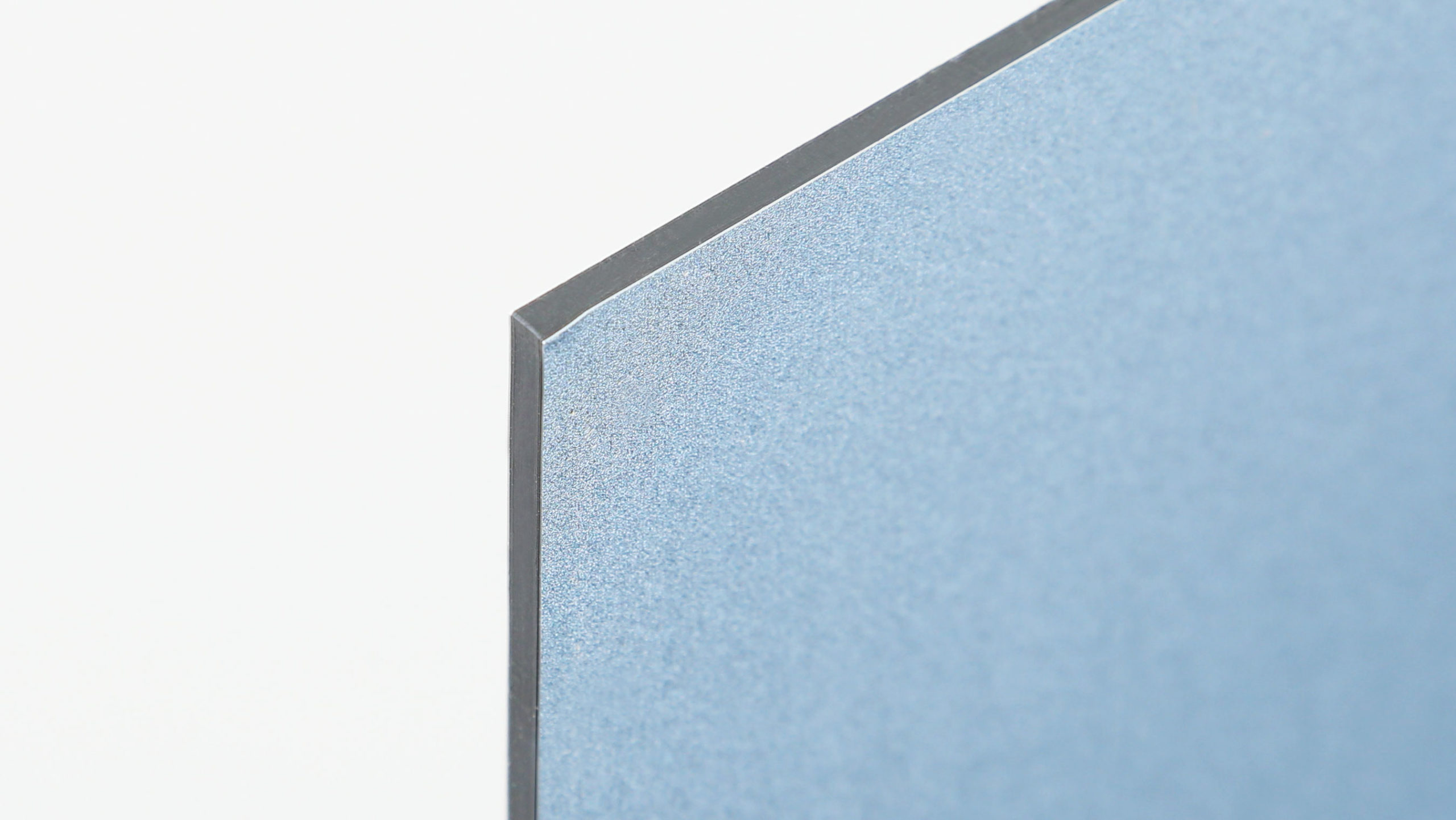
Acrylic vs. PETG
Acrylic and PETG are both clear materials used for indoor and outdoor signage. Acrylic offers optimal clarity and a rigid, glass-like appearance, while PETG is more durable, lightweight and flexible. The best choice depends on the look, durability and application you need for your sign.
Designing custom signs and not sure where to begin? Our online printing services offer a wide variety of materials to make your own signs. Two you’re likely to be familiar with are acrylic and PETG.
Whether you have your own design or are following our sign printing templates, compare the features and applications of these two materials below to help choose the right option for your project before placing your order.
Acrylic vs. PETG: What’s the Difference?
Acrylic is a rigid, clear material known for its optimal clarity and glass-like aesthetic. PETG is a clear thermoplastic that is lightweight, weather-resistant and more durable than acrylic but scratches more easily. Both materials are suitable for indoor and outdoor signage and can be printed with UV ink and white ink.
| Feature | Acrylic | PETG |
| Appearance | Glass-like aesthetic with optimal clarity | Clear material with visible depth |
| Durability | Rigid and weather-resistant | More durable than acrylic and weather-resistant |
| Scratch-resistance | More scratch-resistant than PETG | Scratches more easily than acrylic |
| Flexibility | Rigid, not pliable | Can bend due to thermoforming characteristics |
| UV printing | Requires digital coating | Does not require a digital coating |
| White ink | Compatible with spot white or flood white ink | Compatible with spot white or flood white ink |
| Custom shapes | CNC or laser cut | CNC or laser cut |
| Ideal applications | Signage, displays, decor and trade shows | High-traffic areas, fixtures, storefronts and displays |
Choose acrylic when you want optimal clarity, a rigid material and a glass-like appearance. Choose PETG when durability, lightweight construction or high-traffic use are more important.
Digital Acrylic

In the online printing world, acrylic is Optix DA or digitally-treated clear extruded acrylic material. Digital acrylic looks identical to standard acrylic with the exception that it has an optically clear, digital coating that allows UV ink to adhere to its surface.
Acrylic Features
- Clear material
- Offers optimal clarity
- Glass-like aesthetic
- Rigid, not pliable
- More scratch-resistant than PETG
- Weather-resistant
- For indoor or outdoor signage
- Our Clear Acrylic Signs are available as one-sided printing with second surface
- Showcases glass-like appearance and depth of acrylic
- When printed with UV ink, is fade-resistant, durable and long-lasting
- Compatible with spot white or a flood of white ink
- Makes your artwork color “pop”
- Can be CNC or laser cut to any size and shape
Acrylic Use Cases
Acrylic is well suited to applications where clarity, rigidity and a glass-like appearance are important, including:
- Office, business/retail and home signage or decor
- Fixtures and point of purchase displays for retail stores
- Exhibits and trade show displays
- Our Clear Acrylic Signs are hang-ready for logos, branding and directional signage
- Finishing options include drill holes and aluminum standoff hardware
Acrylic Tips & Tricks
- Print with white ink to ensure the color of your art “pops” off the clear material
- Acrylic can easily scratch, chip or shatter – handle with diligent care
- To clean a custom acrylic sign, wipe it with a damp, non-abrasive cloth
- Store acrylic wrapped in a soft, non-abrasive fabric and do not place other objects on top of it
PETG

PETG stands for polyethylene terephthalate glycol. In other words, PETG is a clear thermoplastic material that’s available in a variety of thicknesses. PETG is more durable than acrylic but scratches more easily and does not require a digital coating for UV printing.
PETG Features
- Five times stronger than acrylic
- Lightweight and weather-resistant
- For indoor and outdoor signage
- Our Clear Signs are available as one-sided printing with second surface
- When printed with UV ink, is fade-resistant, durable and long-lasting
- Showcases depth of the clear material and protects the artwork
- Compatible with spot white or a flood of white ink
- Makes your artwork color “pop”
- Great for high-traffic areas
- Can hang from the wall or ceiling
- Can be cut with CNC or laser to any size and shape
PETG Use Cases
PETG is well suited to applications where durability, lightweight construction or high-traffic use are important, including:
- Fabrication of fixture displays
- Storefront window signage
- Point of purchase display liners and inserts
- Printed graphics or clear non-printed liners
PETG Tips & Tricks
- Print with white ink to ensure the color of your art “pops” off the clear material
- PETG can bend due to thermoforming characteristics
- Clean with a non-abrasive, damp cloth
- Store in a cool, dry place
Which is Better: Acrylic or PETG?
Neither material is universally better. Acrylic is a good choice when clarity, rigidity and a glass-like appearance are priorities. PETG is a good choice when durability, lightweight construction and high-traffic applications are more important. Both materials can be used for indoor or outdoor signage, printed with UV ink and cut to custom sizes and shapes.
Smartpress is your online printer for custom signage of all kinds. Start designing today!